Here’s a common mall myth: older shoppers aren’t willing to scan a QR code, download an app and rent a mobility scooter on their own. FM Mobility in Minnesota has spent the past few months proving this assumption wrong.
Firstly, there’s the data: The global mobility scooter market sits at $1.7 billion and is projected to double by 2034. Nearly 20% of people in North America and Europe are now 65 or older, and a large share of them report difficulty walking. Malls, casinos, hotels and event venues increasingly treat accessibility as a way to bring in foot traffic and keep it, turning miles-long properties into places seniors and people recovering from injuries can actually enjoy.
The math benefits owner-operators. Short-term mobility rentals typically run from $35 to $85 a day, so a shared scooter that costs $1,500 or less can pay for itself fast during busy weekends and the holidays. Take the staff out of the transaction with QR-code rentals, and the margins get even better.
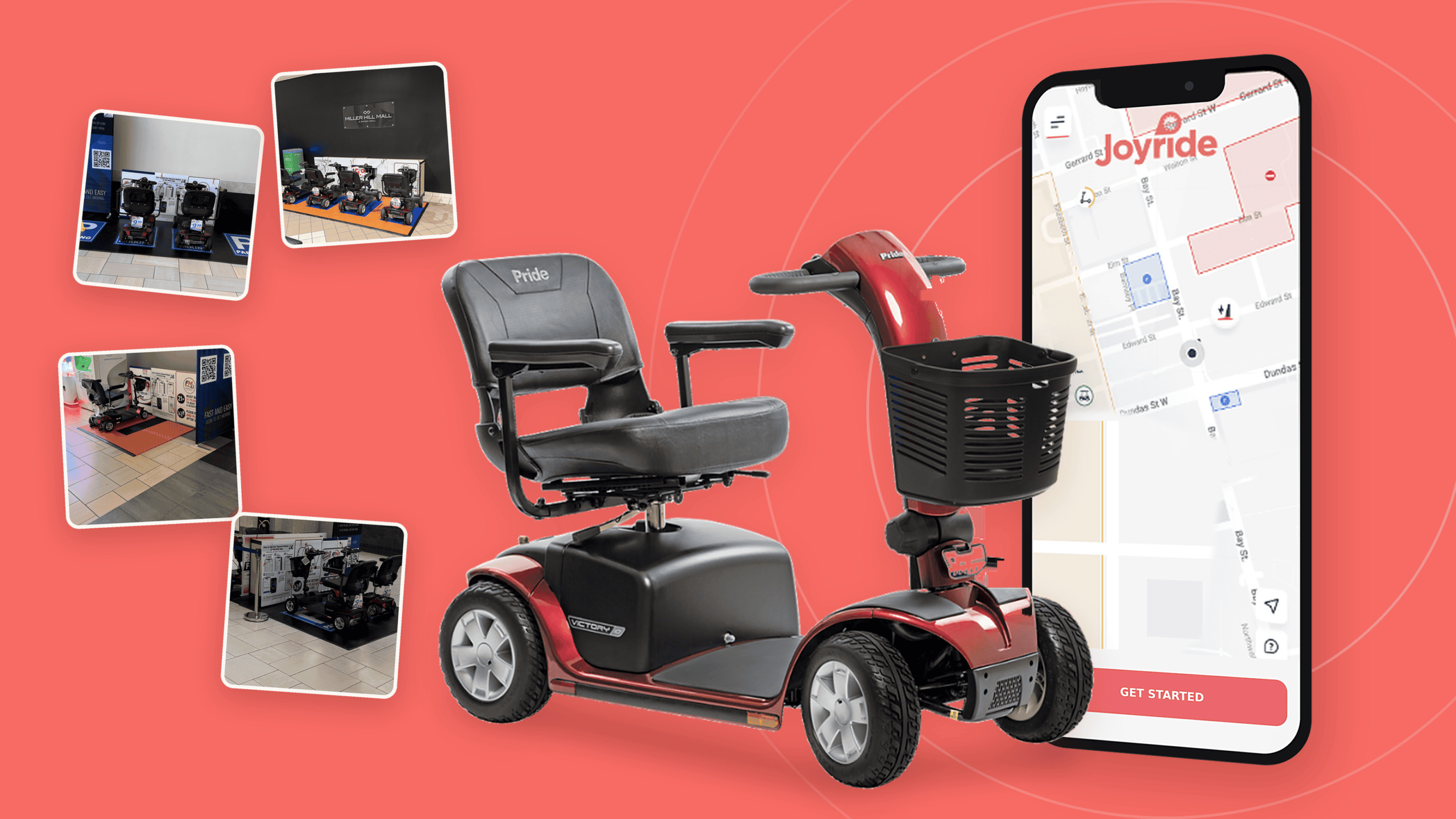
This model is working for FM Mobility. The company runs automated mobility scooter rentals at three Minnesota malls, in Duluth, St. Cloud and Edina, using the Joyride platform and a fleet of Pride Mobility scooters. Riders scan a QR code, download the Revii app, pay, ride (on average for two-plus hours) and return the scooter to its charging spot. The self-serve concept means nobody at FM Mobility has set foot in the malls in months.
Instead, FM Mobility co-founder Brian Yates has time to talk to us about why he and his brother made the switch to automated rentals, what surprised them about their riders, and why a good customer success team still matters (even with software doing most of the work). See below for our Q&A:
Why did you switch to automated mobility scooter rentals at malls?
We were running rentals the old-school way. Customers went online, made a reservation and placed an order, and then we had to show up and make it all happen. That’s a lot of running around, especially since my brother and I both work full-time jobs. When we learned app-based rentals were an option, it made sense right away. All we had to do was set up a location and let it run.
What made Joyride the right fit for your scooter rental business?
We looked at a few options, and Joyride met all of our needs and more. Aside from the technology platform being extremely intuitive and robust, Kevin on the customer success team was great to work with from the very beginning, from demo videos to answering our questions almost immediately. Everyone seemed invested in their jobs and proud of the company. I’m from northern Minnesota, so that sense of familiarity matters to me. We loved the vibe and the tech. Once we got going, installation was easy and we had any support we needed right away.
How do you manage your scooter fleet without being on site?
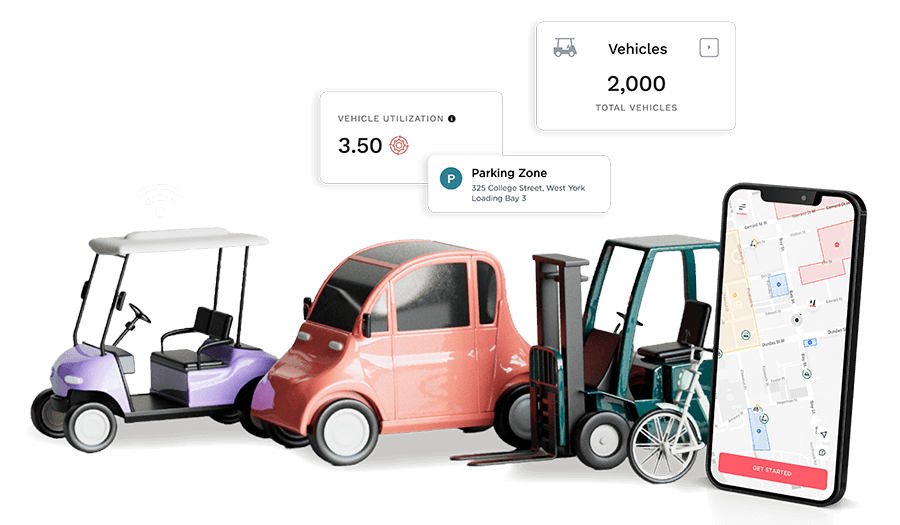
It really comes down to the fleet management dashboard. It’s intuitive: everything you need is right on the first page, and you can go deeper if you want. I check my vehicles and their status every day, and sometimes hourly. I can pre-set our operational hours, create geofencing zones, lock and unlock vehicles remotely, and reach riders directly in their apps without being on-site. Knowing it’s working for us all the time gives us a lot of peace of mind. We set up in Duluth in September and haven’t been back since. It runs itself. That’s exactly what we were after.
Who rents mobility scooters at the mall? Is it only seniors and people with disabilities?
No. We’ve had pushback from people who assume the scooters are only for people with disabilities or are elderly. They’re not. They’re for anybody who doesn’t want to walk a mall that can feel three miles long. We do have a lot of seniors riding, but it’s still a real mix. I think shopping centers are thinking about accessibility more and more. A scooter turns a tiring walk into an easy afternoon for seniors, for people recovering from an injury, and for anyone whose feet give out. Keeping shoppers happy and in shopping mode obviously benefits the malls greatly.
This is still a high-tech product. Can older shoppers handle app-based scooter rentals?
Don’t underestimate an older clientele when it comes to tech. We’ve had very few problems getting scooters rented. If you own a phone, the process is extremely fast and straightforward. To support the process, we put up large banner signs with three steps: download the app, rent, return. Riders scan the QR code, and most pay with Apple Pay or add a card in the app. Honestly, we haven’t had any questions or calls about it. People figure out payment, ride and bring the scooters back to their spots.
How long do shoppers rent mobility scooters, and what does it cost?
When we launched, we didn’t set a time limit so people could get comfortable downloading the app and riding. Back then the average rental was 2.5 hours. We now charge $10 an hour, and the average ride is about 1.5 hours. That’s a meaningful amount of time in a mall. Plenty of these riders wouldn’t have come to the mall at all without a scooter. We’re bringing people into stores, providing a service and they’re spending money at the mall in return.
How have rentals grown since launch?
When a mall is busy, people ride. For example, during the back-to-school season we did more rentals in a week than in the previous months. I expect the holiday shopping season to look the same. Busy weekends and holiday traffic are when a scooter earns back its cost quickest.
How do you keep mobility scooter customers coming back?
In terms of customer loyalty, I like being able to give credits and refunds right from the Joyride dashboard. Nobody likes giving refunds, but it’s part of good customer service. When a customer is great, leaves a good review or says thanks, I’ll send them a credit for a future ride. That builds trust. We’re the new guys and the only ones doing this here, so it’s an open market, but that doesn’t mean we can’t build a brand using really strong marketing tools at our disposal.
What about insurance for a mobility scooter rental business?
It’s easy. We carry liability insurance plus coverage on each scooter, which runs around $40 per scooter. It’s not a roadblock at all.
How are you marketing scooter rentals at the mall?
We haven’t done a lot yet, but we’re looking to do more. We started an FM Mobility Facebook page and are working on more promos in Duluth. We’re using Joyride and Revii’s in-app push notifications too. The fact that we’re working in a retail environment that lends itself to promotional tie-ins isn’t lost on us. The tools are available to Joyride customers, so we’d be foolish not to use them to their full potential.
What issues come up with unattended scooter rentals?
You can’t please everybody. If you can’t be respectful to us and our equipment, we don’t want you as a customer. We had a few people dispute charges, so we added a $50 pre-authorization hold on their card in case of misuse, which is easily configured in our backend dashboard.
We also had to do some preventive problem-solving. Some riders would leave a scooter in neutral instead of putting it back in drive, and sometimes people walking by would unplug the chargers. We asked the mall to help plug scooters back in for us, and they did.
Where is FM Mobility expanding next?
Right now we’re in one mall each in Duluth, St. Cloud and Edina. We’re staying put for the winter, but we are looking at opportunities at Twin Cities Premium Outlets, which is owned by the same company as the Duluth mall. We’re planning a spring launch there.
What advice do you have for anyone considering automated scooter rental software?
Plan on being hands-on for the first couple of weeks. After that, the biggest thing is that this is what people expect now. It eliminates the need for employees and saves a huge amount of time, and time is the most valuable thing we’ve got. If you’re considering where to start, the Joyride platform keeps getting better every day, and so does everyone we work with.
Quick answers: mobility scooter rentals at malls
Are there automated mobility scooters at malls? Yes. Many malls offer mobility scooter rentals, and some, like FM Mobility’s locations in Duluth, St. Cloud and Edina, Minnesota, offer automated mobility scooters that shoppers rent on their own by scanning a QR code and paying in an app. No staff member is needed at the mall.
How much does it cost to rent a mobility scooter at a mall? Through FM Mobility, rentals cost $10 an hour, and the average ride lasts about 1.5 hours. Industry-wide, short-term daily rentals typically run $35 to $85.
How do automated mobility scooter rentals work? The rider scans a QR code on the scooter or kiosk, downloads the app, pays with Apple Pay or a credit card, rides and returns the scooter to its charging spot. No staff member needs to be on site.
Who uses mobility scooters at malls? Seniors, people with disabilities, people recovering from injuries, and anyone who doesn’t want to walk the full length of a large mall.
Are older adults comfortable with app-based scooter rentals? In FM Mobility’s experience, yes. The company reports very few problems and no support calls from riders using the app.
Is a mobility scooter rental business profitable? Yes. A shared mobility scooter that costs $1,500 can recover its cost quickly during busy weekends and holidays, and automation removes staffing and overhead costs. FM Mobility’s insurance runs about $40 per scooter.
Run your venue’s scooter rentals without being there
FM Mobility runs three mall locations without anyone on site, and the company is lining up its next location. If you’re thinking about mobility scooter rentals at a mall, casino, hotel or event venue, Joyride gives you QR-code rentals, in-app payments, pre-authorization holds, credits and refunds, and a dashboard that shows every vehicle’s status instantly. Book a demo to see how it works for your fleet.